
First Nations
Support Coordination
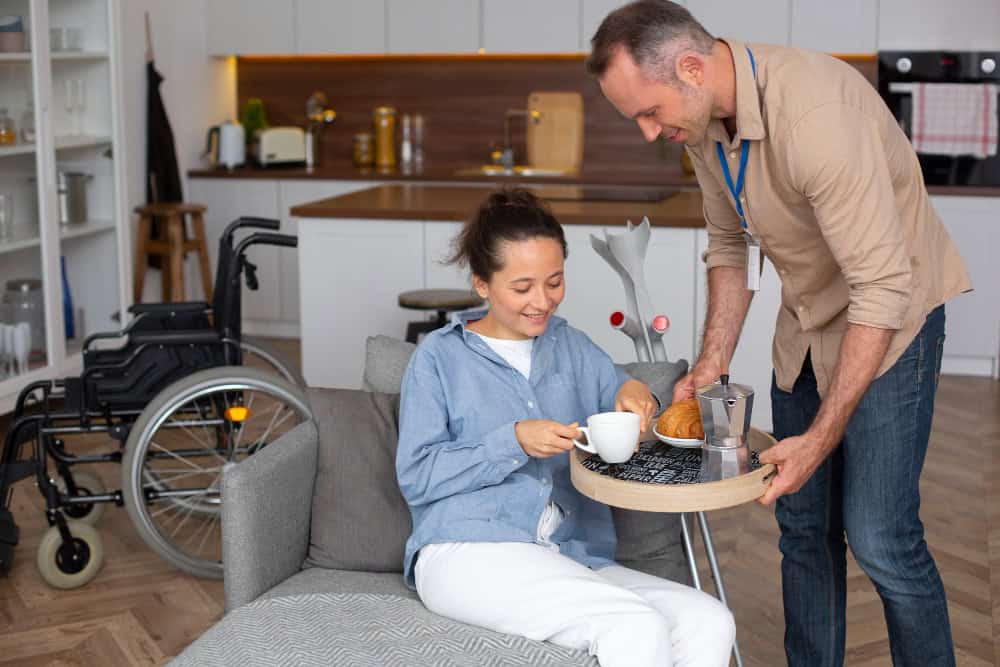
First Nation People can access culturally safe NDIS Support Coordination through Support Point.
Support Point acknowledges the distinctive cultural elements and linguistic abilities of First Nation people while honouring their deep connection to their ancestral lands. We deliver NDIS Support Coordination services to Aboriginal and Torres Strait Islander people by upholding their cultural values, community traditions, and personal objectives.
Why it's important to
coordinate support for First Nation People
The NDIS is a great way to help people become more independent and healthy, but for many Aboriginal and Indigenous Australians, systemic barriers and cultural differences can make it hard to get the help they need. Geographical isolation, a lack of local service options, language diversity, and a lack of trust in mainstream services are some of the things that could keep people from participating.
Our staff members are devoted and know how to handle these problems. We work with participants and their families in ways that are respectful of their culture, open to everyone, and based on what the community knows.
Why it's important to
coordinate support for First Nation People
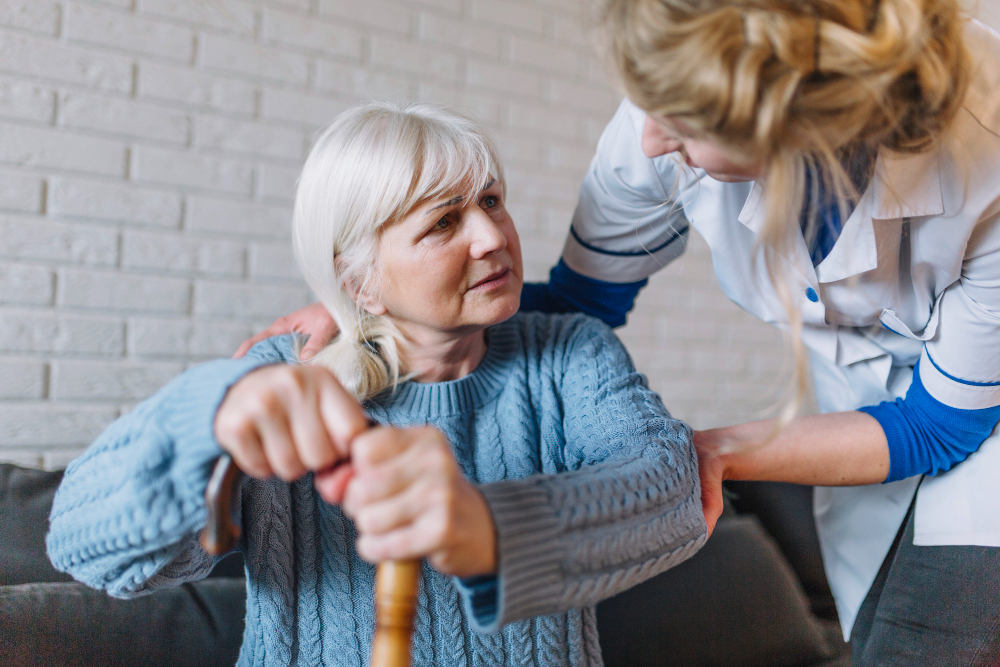
Coordination that is culturally safe and focused on the person We put cultural safety first by really listening to each person’s experience, respecting their cultural identity, and making sure that their values and traditions are a part of all the help we give. Our coordinators work with Elders, family members, and community leaders to make sure that services are useful and appropriate.
Link to the country and the community
We help participants stay connected to their land and community by giving them access to Return to Country trips, community events, and culturally relevant activities that improve their social and emotional health.
Getting around the NDIS in rural and remote areas
NDIS services can be hard to get for many First Nation people who live in remote areas of Australia. We give clear instructions on how to carry out plans, how to use funds, and what kinds of help are available. We also make sure that coordination works around the fact that services are limited and travel is difficult.
Increasing Skills and Self-Determination
We want to give individuals the tools they need to effectively manage their assistance, learn new skills, and have choices and control. We want families and communities to build natural support networks that will last throughout time.
Who We Help
Our programmes are aimed for Aboriginal and Torres Strait Islander persons who have a disability or need a lot of help, such as:
- persons who live in isolated Aboriginal communities all throughout Australia
- Kids, teens, and adults with impairments, including those who have mental health or psychosocial problems.
- Indigenous Australians living in cities who want NDIS coordination that is safe for their culture.
- Participants who require help coordinating their needs with specialists.
- Elders and families figuring out how to plan for disability help.
Why should you choose Support
Point to help you coordinate support for First Nations?
A team that is experienced and understands different cultures
Our coordinators have a lot of cultural understanding, have worked in Aboriginal communities, and are always getting training to improve their cultural competence. We hire Indigenous people and work closely with Elders to help us decide how to do things. Services that are easy to use and adaptable
We provide support coordination in person in the community and through telehealth, phone, and outreach visits to meet the needs of participants who live far away or prefer these methods.
Working together with Indigenous groups
Support Point works together with Indigenous health and disability services, community groups, and governments to make sure that the supports they offer are seamless and work together to meet the needs of the community.
Dedication to Strength-Based Practice
Instead of focusing on people’s weaknesses, we focus on their strengths, resilience, and communal assets. This gives them power and optimism.
How to Get to Support Point's First Nation Support Coordination
It’s easy to get started. Get in touch with our team to set up a time to talk about your needs and how we can help. We will help you build a support plan that respects your culture, community, and goals.
Determined to Bridge the Gap
We at Support Point stand with Aboriginal and Torres Strait Islander peoples on their path to fairness and power. We are dedicated to Closing the Gap in disability access and outcomes, which is why we offer culturally safe support coordinating services. This way, everyone has the chance to succeed.
Support Point is your reliable partner for coordinating NDIS support for Aboriginal and Indigenous people in cities, towns, and rural areas of Australia. We tread this path together with respect, understanding, and optimism.
Commonly asked Questions
Find answers to common questions about our services, care plans, and support process. If you need more details, feel free to contact us!

1. Can Support Point help me if I reside in a very remote Aboriginal community?
Yes. We help Aboriginal and Torres Strait Islander people all around Australia by offering flexible outreach and telehealth services.
2. How do you make sure that services honour my culture?
Our coordinators get training in cultural safety and work closely with community Elders and Indigenous groups to give help that is culturally acceptable.
3. Can family members help with coordinating support?
Of course. We want family and carers to be involved to make natural supports stronger and make sure that the participant’s choices lead decisions.
4. Does the NDIS pay for support coordination?
Yes, support coordination is a paid service that is part of NDIS programmes. We help participants make the most of their funds.